

On a Saturday in late October, around 12,000 people ran a 5k through Flushing Meadows Corona Park in New York. Waiting at the finish line was Diplo, DJing to the crowd.
Diplo's Run Club has been touring US cities, and CNBC reports people paid between roughly US$70 and US$250 for a spot at the Queens event. Diplo told CNBC he wants to build a brand where he can "have these parties in the daytime".
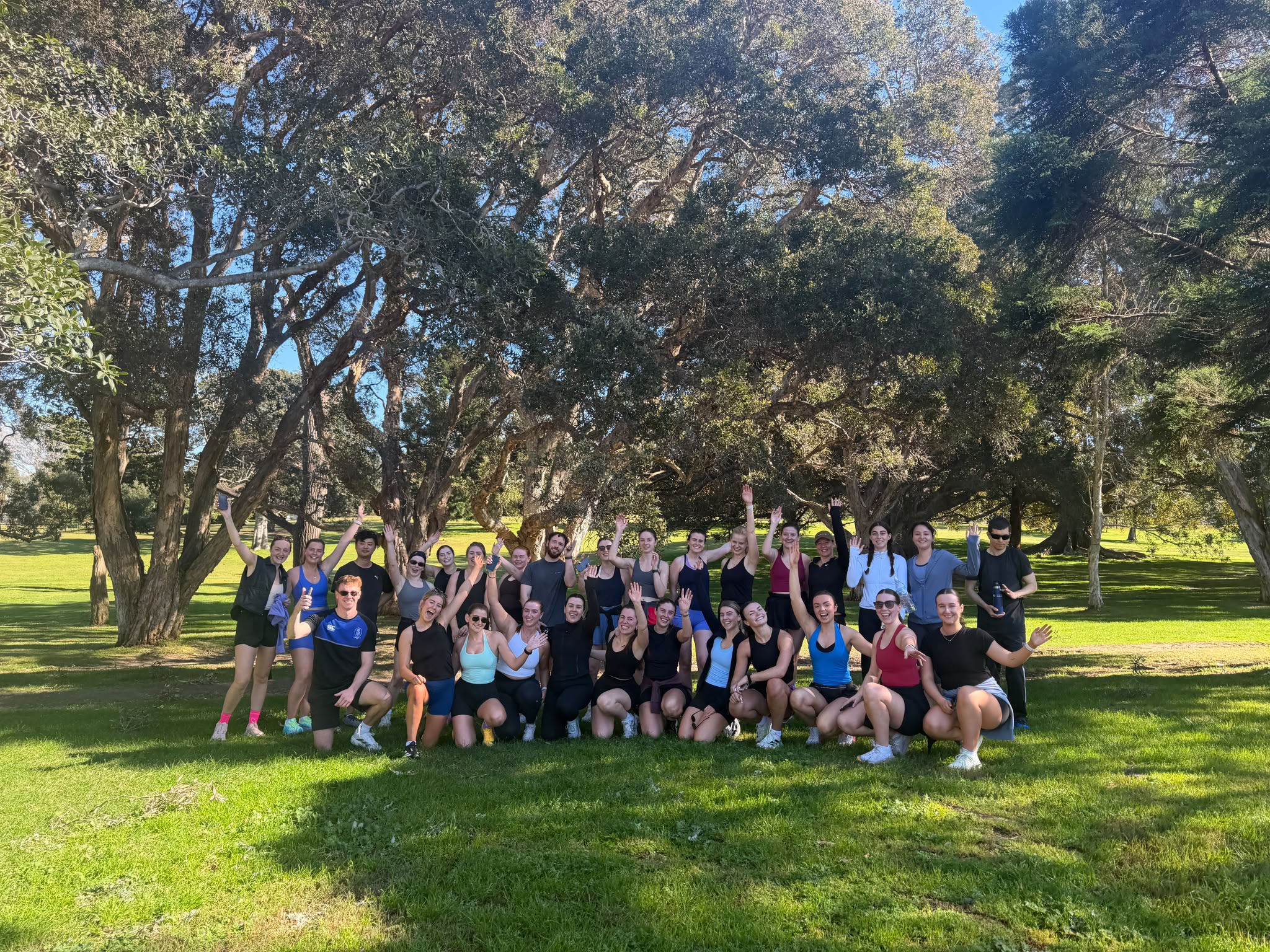
You don't need a famous DJ for any of this, though. Plenty of young Australians have made the same switch on their own, swapping a big Friday night for a 7am run and a flat white with people they've got to know along the way.
Why run clubs have taken off
Mostly, people want to meet people. CNBC pulled together a few figures that show how far the shift has gone. A CivicScience survey found about seven in 10 adults under 30 expect to join a recreational sports league in the next six months. Strava found Gen Z were 39% more likely than Gen X to use fitness as a way to meet people with similar interests. Bank of America also noticed that Gen Z and millennial spending on fitness grew faster than their spending at bars in early 2026.
It's a similar picture in Australia. in the 2025 Gen Z Wellbeing Index from Year 13 and Scape, 41% of young Australians said loneliness was affecting their wellbeing.
Brody Short, who started a run club in Liberty Lake, Washington, told CNBC: "It's deeper than the running. I wanted to find real people that I could integrate into my life."
There's a practical side too. Walking into a party where you don't know anyone is daunting. Running next to someone for half an hour is a lot easier, and by the end you usually know their name and what they're up to on the weekend.
What the good ones have in common
Spend a few weeks at a good run club and you'll notice the same things come up.
Nobody gets left behind. Groups split up by pace, or the faster runners double back, so beginners and walkers finish with everyone else.
They meet at the same time and place each week. That makes it easier to build the habit, and you start recognising faces pretty quickly.
There's coffee afterwards. Ask the regulars and most will say the café stop is the bit they look forward to.
Someone says hello. A good organiser learns names and introduces new people around, which makes a bigger difference than you'd think.
You can come and go. There's no fee, and nobody's keeping track of whether you missed last week.
Finding a run club near you
If you've just moved, or you've been meaning to give it a go, you can search for running groups near you on Active Locals. Most list where they meet, how far they run and roughly what pace, so you can pick one that suits. RSVP to a session, get there a few minutes early and say hi to whoever's running it.
If nothing nearby fits, you can start your own. Lots of run clubs began as two or three friends doing the same loop every Saturday. On Active Locals you can set up a group, post your sessions and let people in your area find you, without having to juggle group chats and social posts to get the word out.