Start your group



Hey there, Georgia here - community lead at Active Locals
I've put together some of my biggest learnings from eight years of building communities into this playbook. I hope it saves you some of the trial and error, and helps you to build a group that has a big, positive impact.
Whether you've spotted a gap in your local area or just want an excuse to get outside with like-minded people, this section will cover everything from defining your purpose to planning your first event.
Why start?
Starting a group can be an extremely rewarding experience for a number of reasons. It’s a real, tangible way to:
- Get to know new, likeminded people who you might not have crossed paths with otherwise
- Have a positive impact in people’s lives through the power of connection and community
- Develop skills in community building, communication, event management, leadership & more
- And in many cases, solving a problem or filling a gap that existed - for example the need for a welcoming run club for non-runners in your neighbourhood
It’s great to get clear on why this group needs to exist in the world, and why you’re keen to make it happen. Your answers to these will help you to stay motivated, and will become the foundation of your group's value proposition.
Define your value proposition
Your value proposition is the answer to: "Why should someone join my group?”
Thinking this through will help you to clearly communicate your purpose across all communication channels, including your Active Locals profile, which will then be a magnet for future members.
A good formula: who it's for + what you do + what makes it different + what value do they receive and contribute
Some examples:
- "A welcoming Saturday morning run for complete beginners in Newtown. No pace pressure, followed by coffee."
- "A weekly swim squad in Manly for people who swam in school and want to get back into it."
- "A dog walking group in Marrickville for people who want to explore new routes and meet their neighbours."
Know your target member
It also helps to have a think about who you would like to join your group, and then tailor your group messaging accordingly.
Is it open and for anyone who would like to join? Or are you targeting people with something specific in common?
A few questions you could ask yourself:
- What are they interested in? (e.g. ocean swimming, hiking)
- What are they trying to achieve? (e.g. getting more active, meeting people after a big move)
- What life stage are they in? (e.g. new parents, retirees, people new to the city)
Define your community values and guidelines
It's also worth getting clear on what kind of community you want to build, and how you want members to treat each other.
Community values and guidelines don’t need to be a formal document, and even a few sentences shared with new members is great and sets the tone.
Having these written down and communicated means you can point to them when needed, rather than figuring things out on the spot.
You can start by asking questions like:
- What does your group stand for?
- What three words do you want people to use to describe it?
- What kind of behaviour would make someone feel unwelcome? What would make them feel at home?
Then turn those answers into a simple set of values, for example:
- "We show up for each other, not just for the workout"
- "All levels welcome with zero judgment"
- "We're here to connect, not compete"
Guidelines are the practical side of your values, such as:
- How should people communicate in the group chat and how will you moderate this?
- How do you want conflicts or complaints to be handled?
- What behaviour is unacceptable and what is celebrated?
Plan your event format
Consistency is one of the most important things you can get right early. A group that meets at the same time, on the same day, in the same place becomes something people build their week around. This includes:
- The cadence: weekly tends to build the strongest habits, but fortnightly works well if weekly isn't sustainable for you. Whatever you choose, try to stick to it
- Day and time: have a think about your target member's schedule and adapting the event to this. For example, Saturday mornings work well for social groups and weekday evenings suit after-work crowds
- Duration: keep it predictable - an hour is a good starting point for most groups
- Location: somewhere easy to find, easy to get to, and ideally with a natural post-session spot nearby if it’s a workout (a cafe, a park, a beach)
- Format: does your session have a clear start ritual? A warm-up, a brief intro, a set route? Even small rituals make a session feel like a real event rather than a loose gathering
Set up your group & events on Active Locals
A complete, well-written listing dramatically on Active Locals will increase how many people find and join your group! A few things to consider:
- Write a description that communicates your value proposition: this can include what makes your group worth showing up to, who it's for, and what someone can expect
- Include your schedule: let people know when and how often you meet so they can plan ahead
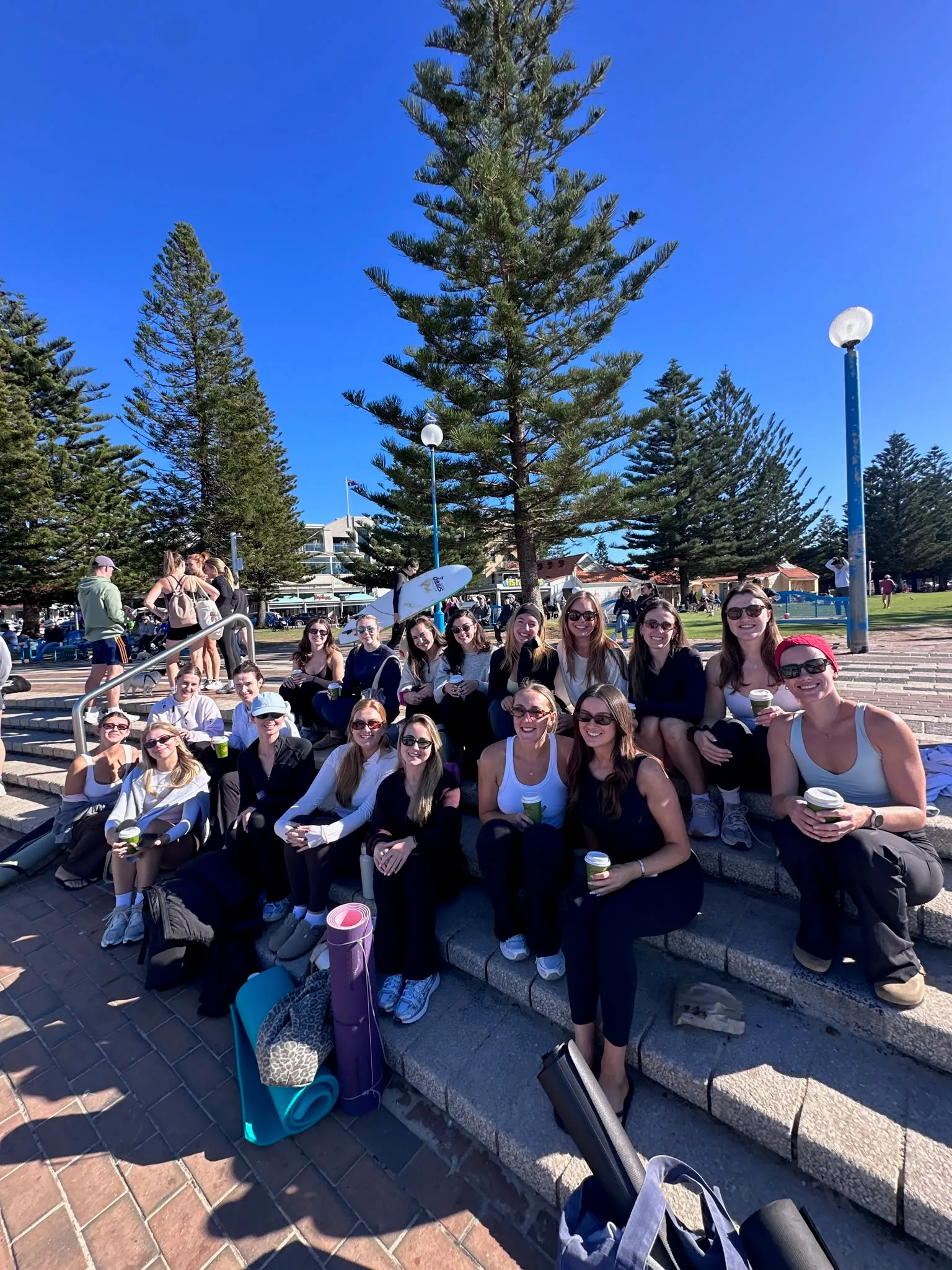
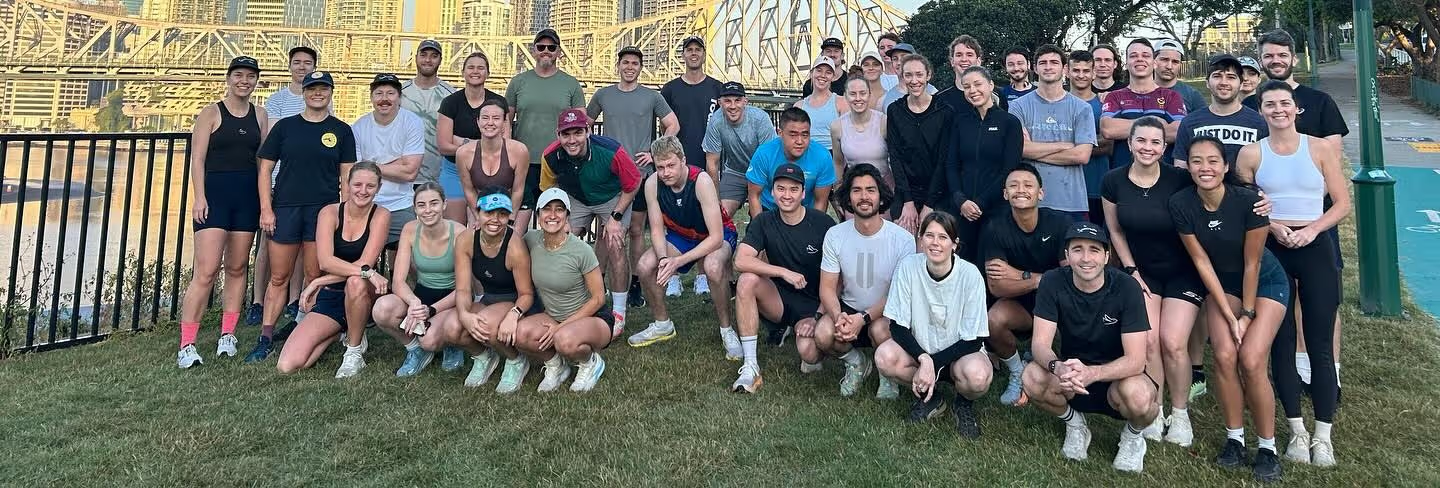
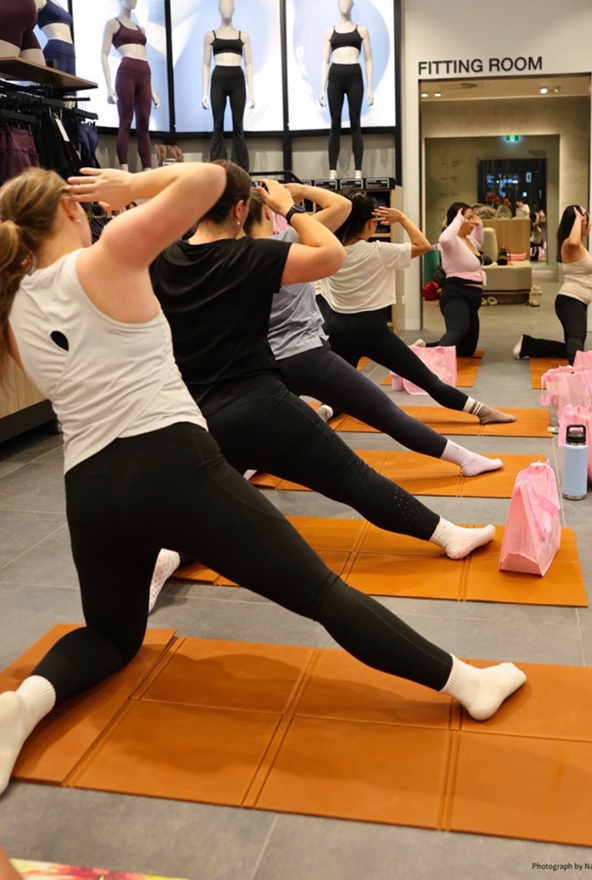
- Add photos: real photos of real sessions outperform stock images every time (even imperfect ones feel more trustworthy and inviting)
- Community values & guidelines: a few sentences on how your group operates and how members treat each other sets the right tone from the start
Your first members
Your initial, core group of members are important, as they set the culture
Other than listing your group and events on Active Locals so that people can discover them, here are a few other ways to get member onboard:
- Make the first session easy to say yes to (free, local, short, low pressure)
- Start with your own network and directly invite likeminded people that you know: friends, family, colleagues, neighbours
- Ask each early member to bring someone along with them
- Follow up after the first sessions with a thank you and see you next week