
Sustain your group

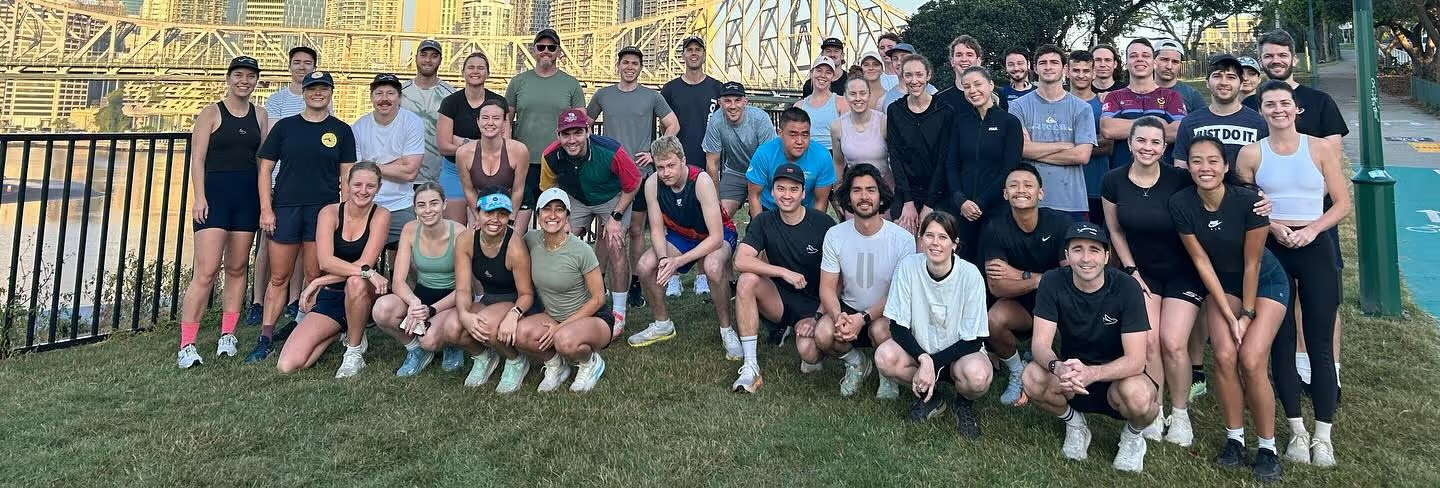

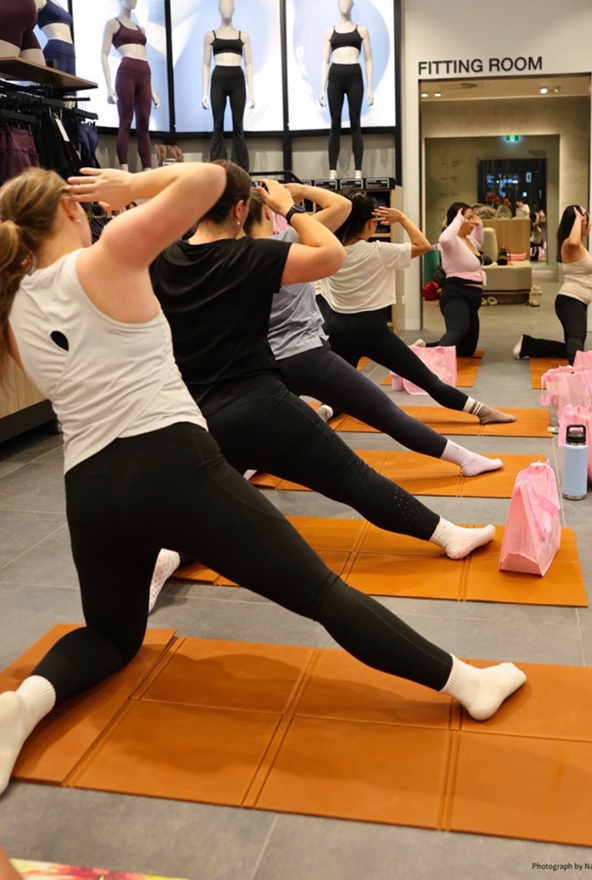
Starting a group is the exciting part and sustaining it is where the real magic happens. This section covers everything you need to keep your group thriving long-term: creating an experience people want to come back to, retaining your regulars, and building a community that starts to run itself.
Keep people coming back
Belonging is the engine of community. Here's what that looks like in practice:
- Same day, same time, same place: as we mentioned earlier, it’s great to make this something people can put in their calendar and rely on
- Make strategic introductions: when someone new shows up, try to connect them with an existing member they'd likely click with. A new member who makes a friend in the first session is far more likely to come back
- Know the regulars by name: it sounds obvious, but this is one of the biggest drivers of retention
- Create a way to stay connected between sessions: a WhatsApp group, Active Locals messaging (coming soon), or a simple Instagram account keeps people engaged and looking forward to the next one
- Acknowledging milestones: small gestures make people feel seen, so recognising someone's 10th session, a personal best, or just a "great to see you've been coming every week" moment makes a difference
Build a group that doesn’t depend on you
The most sustainable community groups aren't run by one person: they're co-led, co-owned and shaped over time by the people in them. The sooner you start distributing responsibility, the stronger your group becomes, and the less likely it is to fall apart if life gets in the way.
Give members a role
From early on, you can think through how members can play an active role beyond just showing up. People who have a role show up more consistently, feel more invested and become ambassadors for your group.
A few ways to distribute leadership:
- Co-organiser: someone who can cover you when you're away, share the mental load and bring their own energy to the group
- Session leads: regulars who could host or lead a session. It builds their confidence, deepens their connection to the group and takes pressure off you
- Chapter leads: if your group grows beyond one suburb, a chapter lead in each area runs their local version while you provide the framework
- Functional roles: a social media person, a welcome person for new members, someone who manages the group chat
- Sharing knowledge: members taking turns contributing something relevant: a physio in your run club talking about injury prevention, a nutritionist in your hiking group discussing fuelling for long walks
When bringing someone into a leadership role, define clear responsibilities and expectations, give them genuine ownership, and trust them to do it their way.
Offer volunteers something in return
People are more likely to step up when there's something in it for them beyond goodwill. You don't need a budget to make volunteering feel rewarding, so have a think about what you can offer - for example:
- Recognition: a shoutout at sessions, a mention on socials, a title they're proud of. Being known as the welcome person or the chapter lead for their suburb means something
- Access and inclusion: volunteers get early access to new sessions, events or initiatives before they're announced publicly
- Skills and experience: frame it as a genuine development opportunity and highlight the opportunity to grow public speaking, leadership and event management skills
- Perks and products: if you have brand partnerships or product samples, prioritise your volunteers and make sure they have first access to free coffee, merch or product samples
- Community: your core team of volunteers often become the closest-knit part of your group. The relationships they build with each other are a reward in themselves, so provide them with opportunities to connect
- A pathway: if someone is keen to eventually start their own group or chapter, supporting them toward that goal is one of the most meaningful things you can offer
Collect feedback regularly
Members who have a say in the group feel more connected to it. This doesn't need to be formal:
- A casual question at the end of a session: "What would make this even better?"
- A quick poll in your group chat: "Would you prefer Saturday mornings or Sunday mornings?"
- A check-in with a few regulars over coffee: "What's working? What's not?"
For more structured feedback, a quick anonymous form once or twice a year can surface things people wouldn't say out loud. Act on it where you can, and acknowledge it where you can't: even saying "we heard this and here's why we went a different direction" builds trust.
Other ways to co-create
- Invite members to suggest session formats, locations or activities
- Ask regulars what they wish existed that doesn't yet
- Test new ideas with a small group before rolling them out to everyone
- When a member's suggestion shapes something real, acknowledge and celebrate it
Protect your energy
The biggest threat to a community group isn't lack of members, it's organiser burnout. This happens more often than people expect, and usually to the most passionate organisers who care the most and say yes to everything.
A few things that can help:
- Set boundaries early: You don't need to answer messages at 11pm, so make sure to set expectations with your members from the start about how and when you communicate
- Don't overcommit on cadence: A fortnightly group you can sustain for two years is worth more than a weekly group that burns out in six months. Make sure to be honest with yourself about what fits your life and allows you enough time to rest
- Build in rest: Take a break over Christmas, or in a month that's hectic for you. Give your members enough notice and they'll respect it
- Celebrate small wins: Eight people showing up on a rainy Tuesday is a win. Don't measure yourself against groups that have been running for five years
- Talk to other organisers: Connecting with people who understand what you're going through is one of the most underrated forms of support. Keep an eye out for opportunities to connect with other organisers on Active Locals (coming soon)
Find sponsors and product partnerships
Running a community group often costs money: e.g. venue hire, merch, software costs and marketing expenses. Here are a few ways to offset those costs without compromising the community feel of your group.
Local business sponsorships
Local businesses are often looking for genuine, community-driven ways to reach their neighbours. Have a think about businesses that share your values and already serve your target member, like local cafes, sports stores, physios, health brands and activewear companies.
- What you can offer them: authentic community visibility, word-of-mouth reach, social media mentions, and a values-aligned association with something people genuinely love
- What they can offer you: keep it simple - a monthly coffee order, a product donation, or a small cash contribution in exchange for a mention at sessions and on socials
Brand partnerships
Many health, food, sports and wellness brands have sampling budgets and are actively looking for community groups to partner with. If your members already use a product, reach out to the brand directly and offer to host a sample activation at a session.
Brands get direct access to a relevant, engaged audience. Your members get something for free. You get to offer them something extra without it costing you anything.
A few tips:
- Be selective: partner with brands that fit your group's values
- Keep it light: a short introduction to the brand is great (e.g. a logo or short description in your event page, co-branded merch, or a short speech from the sponsor at the beginning or end of your event), but your event shouldn’t feel super sales-y or like an advertisement
- Document the partnership: take photos, share on socials, capture any data and stats, and tag the brand. This makes it easier to renew the partnership and attracts others
Affiliate programs
Affiliate programs are one of the easiest ways to generate a small income from your group without it feeling transactional. Many health, fitness and wellness brands run affiliate programs that pay you a small commission every time someone in your community purchases through your unique link or code (think protein brands, activewear companies, fitness apps, or equipment retailers).
Share the link in your group chat or bio when it's genuinely relevant - the key is only promoting products you'd actually recommend. If your members trust you, your endorsement means something, and a discount code is a genuine value-add for them too.
Consider monetising your group
Not every group needs to charge membership or event fees. Many of the best community groups are free, and keeping it that way lowers the barrier to participation significantly. But if your costs are growing, or you want to invest more in the experience, there are ways to introduce revenue without compromising the community feel.
When it makes sense to charge:
- Your sessions involve a venue hire, equipment, or a facilitator that costs money to run
- You want to invest in improving the experience (better equipment, events, guest speakers)
- Your group has grown to a size where costs are no longer manageable out of pocket
- Members are asking for more structured programming or additional value
When it probably doesn't:
- Your group is just getting started and you're still building trust and momentum
- Your target members are price-sensitive or you want to reach people who wouldn't otherwise join a paid activity
- The group's whole value proposition is that it's a free, accessible alternative to expensive gyms or classes
If you do decide to charge, keep it simple:
- A small contribution ($5 to $10 per session) that covers costs is more palatable than a formal membership fee
- Be transparent about where the money goes - members are far more likely to pay when they understand it goes toward the venue or equipment
- Offer a free first session to lower the barrier for newcomers and let the experience sell itself
- Consider a pay-what-you-can model for groups where financial accessibility matters
Keep the energy fresh
Variety and progression keep members engaged and give people a reason to keep showing up.
This could look like:
- Seasonal events and key dates: a summer swim, a winter walk, a community BBQ, a celebration for Christmas or International Women's Day. These give people something to look forward to and create natural entry points for new members
- Guest sessions: bring in a physio, a coach, a nutritionist or another organiser for a one-off can add variety and builds your network
- Milestone moments: celebrate your 50th session, your 100th member, your first anniversary. Communities run on shared history and these moments create it
- Ask your members what they want: a simple poll or a question at the end of a session goes a long way
- Evolve with your members: as your group matures, so will the needs of the people in it - so stay curious about what they want next
What's coming next
We're building out more support for organisers all the time. Keep an eye out for:
- HCF Referral Program: we’ll be rewarding organisers for sharing an HCF insurance offer with their members
- Organiser community: connect with and learn from other organisers running groups around Australia - both online and offline at events
- Workshops, mentoring & resources: practical advice around managing, marketing and growing your group
- New platform features: tools to make managing your group even easier
Have feedback or ideas? We'd love to hear from you
Take up the support available to you
Active Locals has a bunch of offerings to help you start, grow and sustain your group.